A vine in the Western Ghats
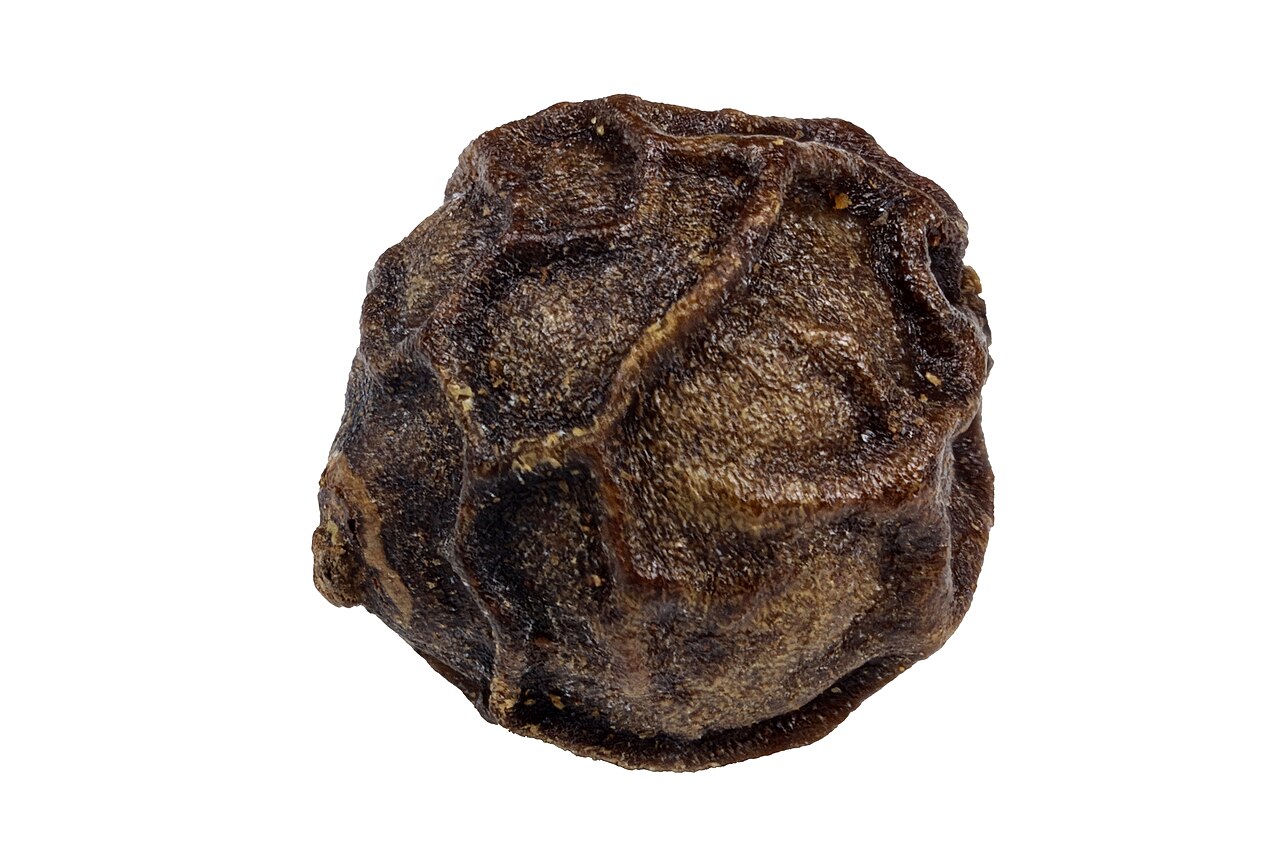
Black pepper comes from Piper nigrum, a climbing vine associated with the wet tropical landscapes of southwest India. Growers harvest spikes of berries and dry them until the fruit walls turn dark and wrinkled. The familiar peppercorn is a whole fruit, not a loose seed.
That compact, durable form mattered. It could be packed, carried and traded long distances while remaining useful in a kitchen far from the vine.
An ocean already in motion
Indian Ocean merchants had connected South and Southeast Asia, the Arabian Peninsula and East Africa long before the European maritime empires. Archaeologists at Mantai, an ancient port in Sri Lanka, recovered black pepper alongside evidence of a broad exchange network. These finds make it hard to tell the story as a single voyage from one origin to one destination.
Later Portuguese, Dutch and British involvement changed who controlled particular sea routes and ports. It did not create the demand, the farming knowledge or the older Asian exchange systems.
Read the route with care
Our atlas draws a simplified line from the Malabar Coast toward western markets. A historical cargo could change hands repeatedly, and its route depended on season, politics and the people moving it. The line is an invitation to investigate these networks rather than a literal itinerary.
In cooking, cracked or freshly ground pepper releases its pungent aroma quickly. The spice remains an everyday reminder of an extraordinary geography.