Plant
Corms rest underground through summer and are planted in well-drained soil for autumn growth.
THE PRECIOUS STIGMA
Crocus sativus L.
SPICE & SOURCE
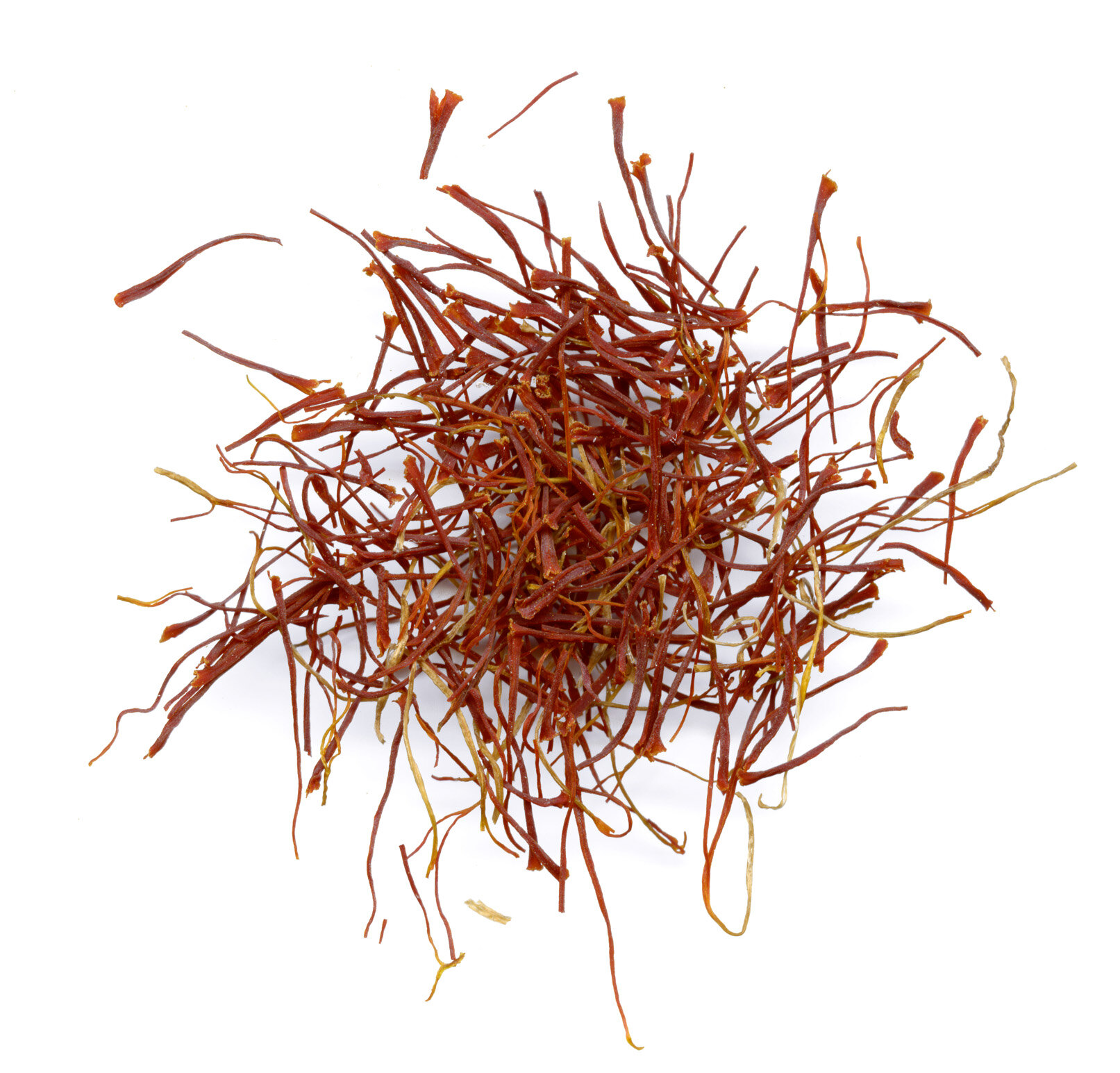
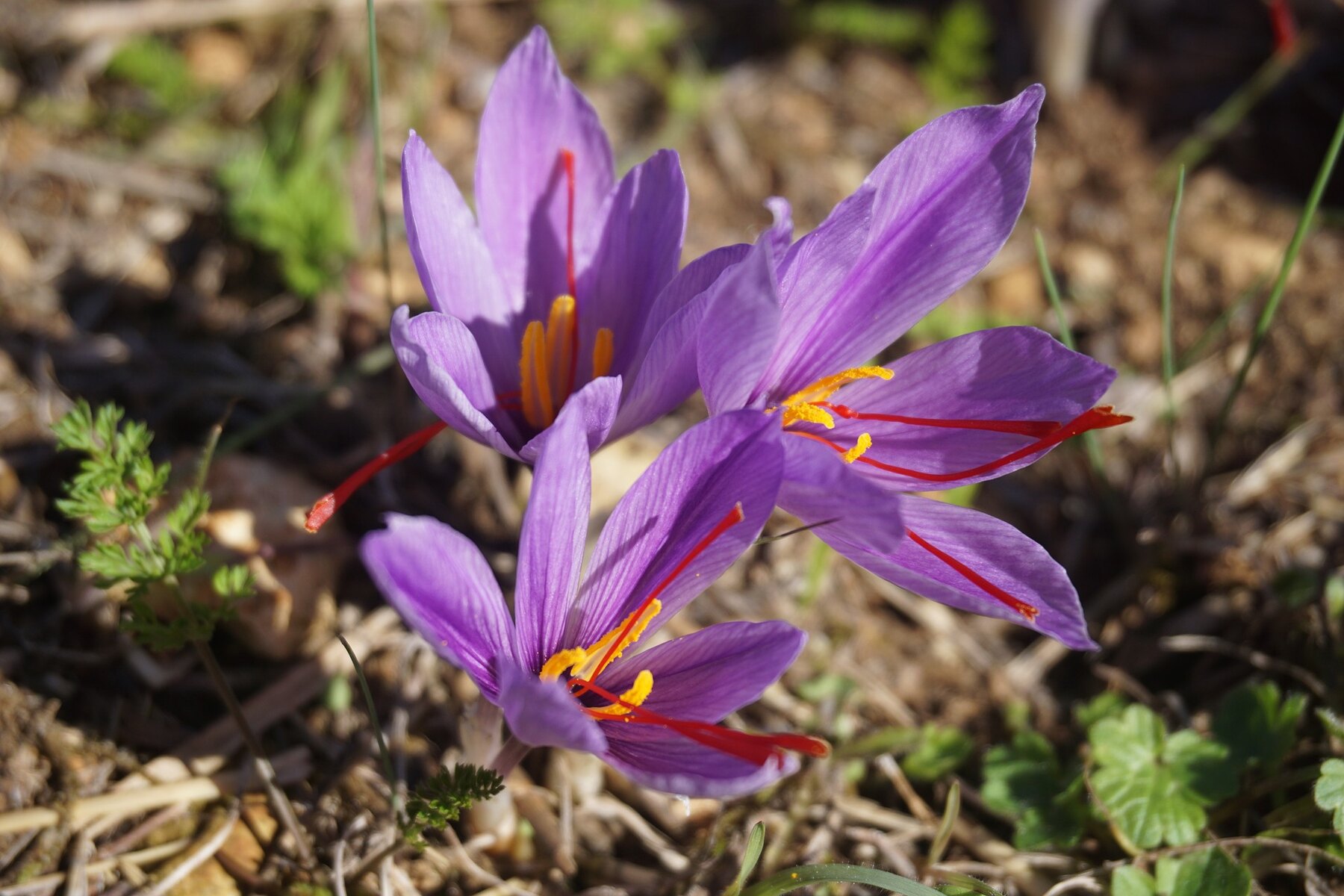
The spice is the dried red stigma of an autumn-flowering crocus. Each bloom carries only three branches, separated by hand before gentle drying concentrates their color, aroma and flavor.
THREE THREADS PER FLOWER
Crocus sativus is a small perennial in the iris family. Its lilac-purple flowers shelter three vivid red stigma branches—the only part that becomes saffron.
The plant is sterile and propagated by dividing its underground corms. Its earliest domestication remains debated, so this passport follows the broad, ancient cultivation world linking the Mediterranean and Southwest Asia rather than claiming a single birthplace.
MANY LANGUAGES · ONE FLOWER
THE JOURNEY
A simplified path through saffron's long, interwoven cultivation traditions.
Growers preserve saffron by replanting daughter corms, carrying selected plants and knowledge between generations.
Persian traditions helped saffron move through connected trade and cultural networks across West, Central and South Asia.
In Kashmir, saffron became tied to distinctive soils, autumn harvests, cuisine, ceremony and regional identity.
Cultivation and trade linked saffron with rice, breads, sweets, broths and festive dishes from Europe to Asia.
FROM CORM TO THREAD
Corms rest underground through summer and are planted in well-drained soil for autumn growth.
Fresh blooms are picked by hand, often early in the day before they fully open.
The three red stigma branches are delicately removed from every flower.
Careful drying reduces moisture and develops saffron's concentrated aroma and keeping quality.
THE SENSORY PROFILE
Saffron can suggest honey, hay, flowers and warm earth, with a subtle bitter edge. Steeping the threads in warm water or milk helps disperse their color and aroma before they enter a dish.
RESEARCH LENS
Crocin contributes saffron's golden color, picrocrocin its bitter taste and safranal much of its characteristic aroma. Their balance changes with processing, storage and preparation.
Research on concentrated saffron extracts is not the same as evidence about ordinary culinary use. Divine Spices keeps food, traditional practice and clinical claims in separate contexts; this profile is educational and is not medical advice.
STARTING SOURCES